Vault-centric PAM breaks in modern environments and adds risk and drag. This guide shows what to require instead, with identity-native controls and just-in-time access across all identities.
Access workflows have changed, but security still runs on old models that can’t keep up. This API-led approach removes static keys and delivers just-in-time access without slowing teams down.
Non-human identities run with persistent permissions and expand your attack surface. Learn how to replace just-in-case access with just-enough, just-in-time controls and real monitoring.
Legacy vault workflows create standing access and blind spots. This guide shows how to evaluate modern PAM with just-in-time provisioning, continuous discovery and machine access governance.
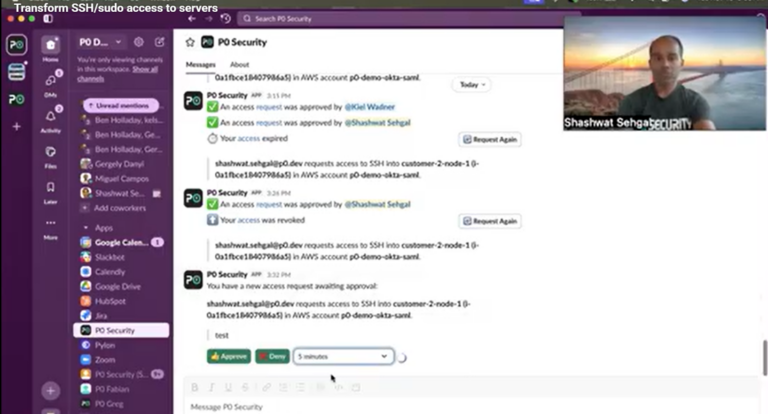
Server access is slow, shared and hard to audit. See how developers get fast, identity-tied access with no static keys and approvals in Slack, Teams or ServiceNow.
Agentic systems are accelerating everything. They increase the number of access paths, expand the impact of bad permissions and highlight the limits of tools built for manual control.
This is the final of a three-part series taking a look at modern privileged access management and how its evolution to the protection of more systems and more identities leads to both security and productivity improvements.
A practical guide that shows how to uncover identity risks in AWS, remove static credentials, right-size roles and build a verified least-privilege foundation ready for JIT access and modernization.
In this video, you’ll find the easiest way to move away from static SSH/Sudo and shift to short-lived, identity-tied access that is simple for developers to use and simple for teams to govern.
A look at why vault-led PAM struggles in hybrid environments with machines and agents, and why CyberArk and BeyondTrust customers are exploring modern options as they rethink and update their PAM stack.
You’re trying to stretch legacy PAM like CyberArk to fit modern infrastructure, and it’s breaking. See why keys, vaults and standing access fail and what actually works now.
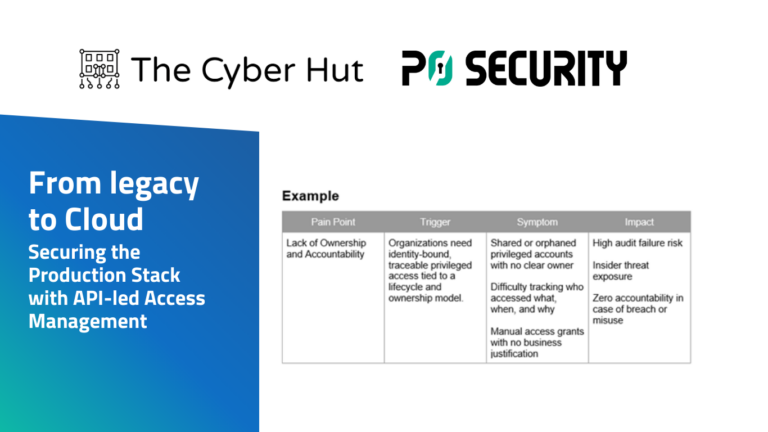
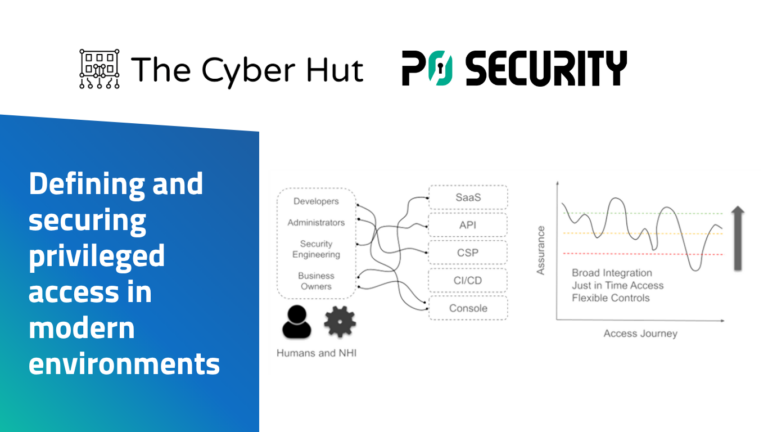
Today’s privileged access challenges demand a shift from static, siloed controls to identity-centric, Just-in-Time (JIT) models that improve security while accelerating deployment and engineering workflows.