

AI agents

Nobody built MCP servers to hold identity. They do anyway.
By Neha Duggal
The identity plane your agents run on is whatever the last MCP server someone installed decided it should be. That is not the layer to leave to chance.

When your Snowflake AI agent can query everything you can query
By Neha Duggal
Snowflake Cortex is a powerful addition to the modern data platform, and the use cases are real. But every Cortex Agent deployment is also an identity governance event. The agent does not audit itself. It queries what it can query, surfaces what it can surface, and connects to what it is given access to.
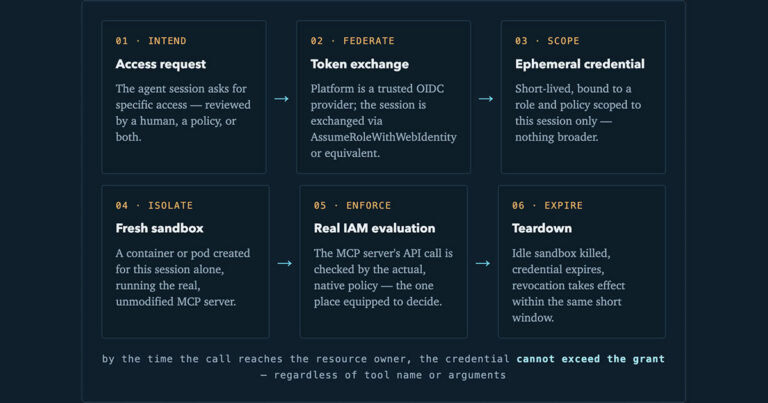
From MCP Tool Filtering to Runtime Access Control
Tool-level filtering alone is not access control.

The identity risks of vibe coding
By Neha Duggal
Vibe coding changes the relationship between a developer and the code they ship. It does not change the fact that code carries identity and access decisions, and that those decisions have consequences.

Claude didn’t go rogue. Permissions did.
By Neha Duggal
The PocketOS incident is being told as a story about a coding agent that went off the rails, but that is not the true extent of the tale. It is a story about a long-lived API token with no scoping, no expiry, no approval gate, and no separation between production and backup, sitting where any sufficiently curious actor could find it.

Agentforce and Cortex aren’t SaaS features, they’re agent runtimes
By Neha Duggal
Salesforce Agentforce and Snowflake Cortex have quietly become two of the largest agentic deployment platforms in the enterprise.
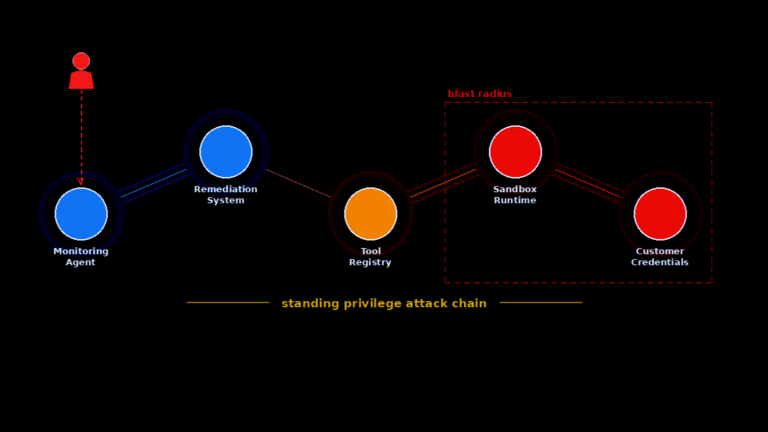
The Composio breach: Let’s stop blaming the agents
By Neha Duggal
The Composio breach was not only about agentic AI, leaked credentials or sandbox execution. It was about trusted internal systems with enough standing privilege to become an attack path.
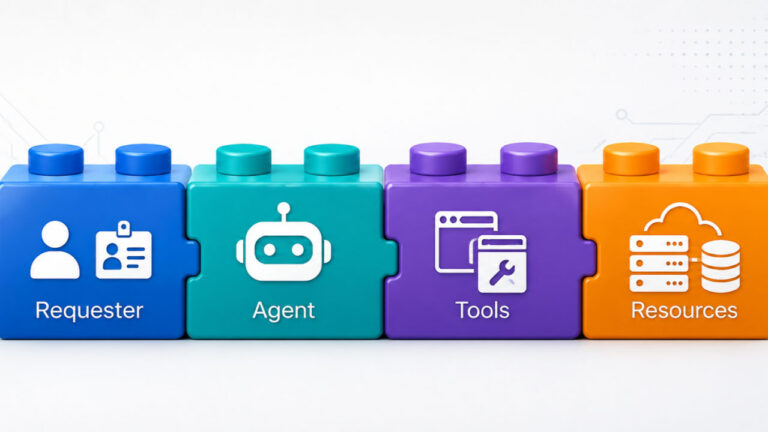
Securing AI agents starts with governing human authority
The future of agentic security will not be determined by model quality alone. It will be determined by how well organizations govern human authority, delegation and operational identity before autonomous systems begin operating at AI scale.
The ServiceNow AI breach: Why agentic access requires layered defense
The ServiceNow breach is a wake-up call. As we deploy more autonomous agents with access to critical business systems, we need authorization architectures designed specifically for the agentic paradigm not retrofitted from traditional security models.
Agent provenance is ambitious, so let’s get the hard parts right
By Andrew Green
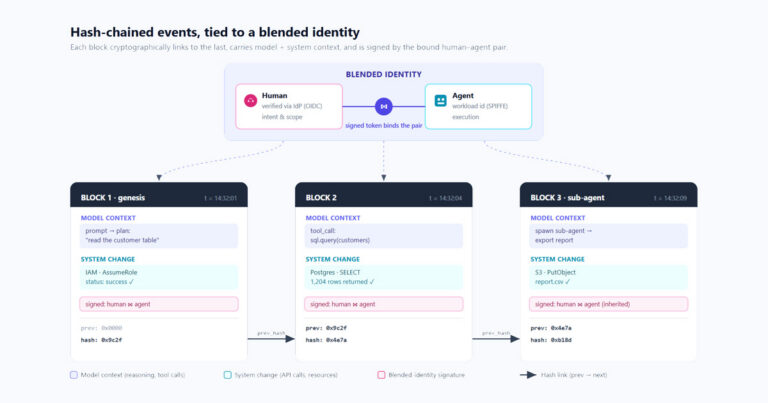
Agent provenance is a useful stress test for whether your agent security stack can actually deliver accountability. It requires more than discovery or observability. You need an immutable chain of events, blended human-agent identity, runtime policy enforcement, and enough context to determine whether an agent’s actions stayed within the originator’s intent.

When your coding agent can commit everything you can commit
By Neha Duggal
Developers must restrict agent access, mandate human code reviews, and sanitize inputs to mitigate unauthorized repo takeovers.

The OpenAI agent did not go rogue. It ran out of authorization boundaries.
By Neha Duggal
If you are running agents in evaluation, production, or anywhere in between, do not only ask whether the model will stay inside its sandbox. Ask whether your identity and authorization controls can stop the model after it finds a way out.