

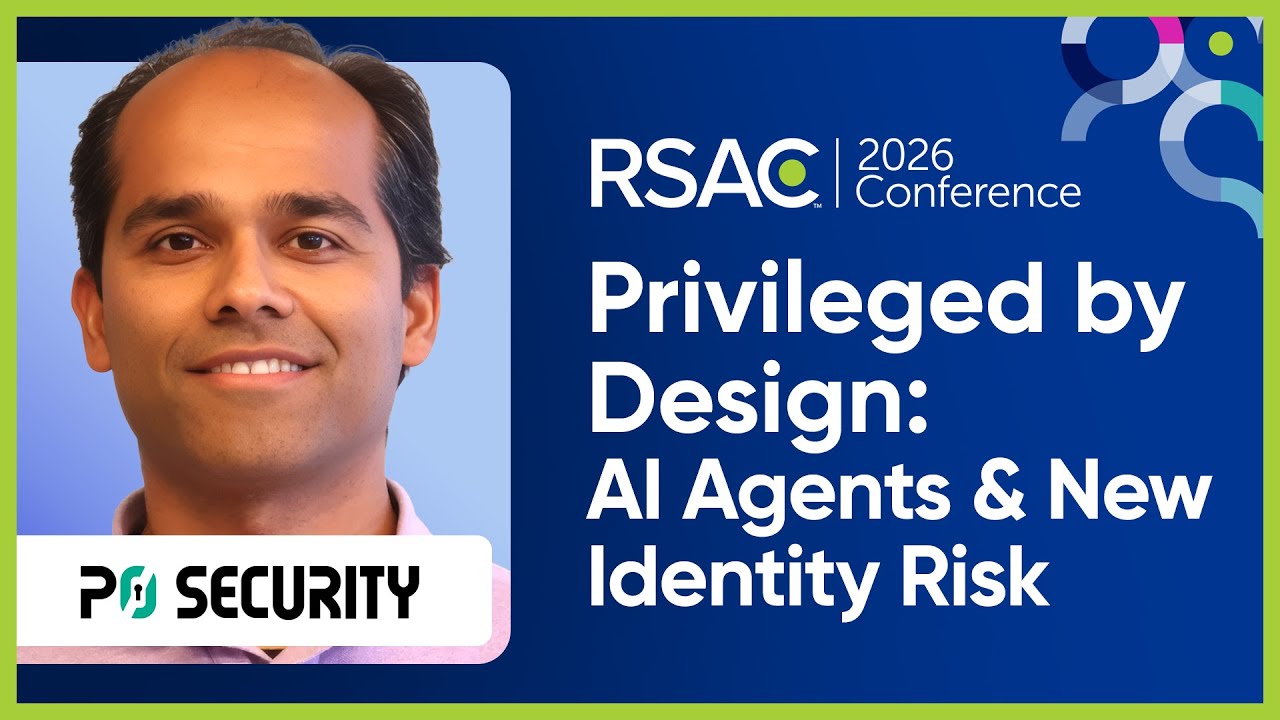
At RSAC this year, the AI conversation is getting more practical. Less “look what agents can do” and more “who’s actually in control when an autonomous system can take real actions across business apps and infrastructure.”
The Moltbook breach and the growing attention on OpenClaw-style agent vulnerabilities put real weight behind that question because they show how quickly agent ecosystems can scale past oversight.
Today we’re talking with Shashwath, CEO of P0 Security, about why identity and authorization are the quiet enablers of modern AI, where teams are losing control as non-human identities explode and what security leaders can do to keep innovation moving without turning access sprawl into enterprise risk.
Frequently asked questions
How do you bring AI agent access under control in production environments?
Teams bring AI agent access under control in production by applying least-privilege, just-in-time authorization to every agent action instead of standing permissions.
Why do AI agents need least-privilege, just-in-time access controls?
AI agents need least-privilege, just-in-time access controls because standing permissions let a compromised or misbehaving agent reach far more than any task requires.
How does secondary authorization right-size AI agent permissions?
Secondary authorization right-sizes AI agent permissions by checking every action against the accountable human user’s actual access rights.
How does P0 Security govern and audit AI agent access?
P0 Security governs and audits AI agent access by scoping every action to just-in-time authorization and logging it for review.